
5 Social Media Red Flags Florida
Is social media affecting your teen’s mental health? Learn 5 warning signs Florida parents should know and how to get fast virtual support.
ANXIETY & STRESS MANAGEMENTWELLNESS & SELF‑CARECAUSES AND RISK FACTORSMINDFULNESS & MEDITATIONSELF-CARE & COPING SKILLSMENTAL HEALTH EDUCATION & PSYCHOEDUCATIONMENTAL HEALTH & WELL‑BEINGEMOTIONAL SYMPTOMSLIFESTYLE & SELF‑CAREADOLESCENT AND CHILD MENTAL HEALTHWELLNESS HABITS & LIFESTYLEPARENTING & FAMILY SUPPORTCOPING SKILLS & SELF‑REGULATIONRISK FACTORS & DIAGNOSISMIND‑BODY CONNECTIONPHYSICAL & BEHAVIORAL SYMPTOMS
Luisa Garcia APRN
2/6/20267 min read

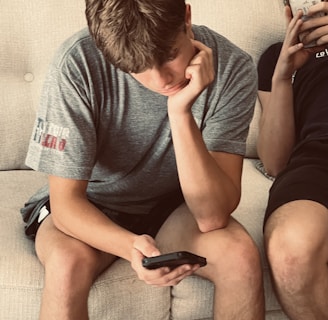
Is Social Media Hurting Your Teen's Mental Health? 5 Warning Signs for Florida Parents
By Luisa Garcia, APRN, FNP-C, PMHNP-BC
Co-Founder & Dual-Certified Family and Psychiatric Mental Health Nurse Practitioner
Sunset Behavioral Health LLC
Can Social Media Affect My Teen's Mental Health?
Yes. Social media can affect how teens feel, sleep, think, and connect with others.
Many teens use TikTok, Instagram, Snapchat, and other apps every day.
Social media can help teens stay in touch with friends, learn new things, and find support.
But it can also lead to problems for some teens.
Research has found links between certain social media habits and poor sleep, anxiety, depression, and body image concerns.
This does not mean social media causes these problems in every teen.
The effects depend on how teens use it, what they see, and what else is happening in their lives.
Here are five warning signs Florida parents should know.
1. Can Social Media Cause Sleep Problems in Teens?
Yes. Using social media late at night can make it harder for teens to get enough sleep.
Your teen may:
Stay up late scrolling
Check messages during the night
Sleep with their phone nearby
Feel tired in the morning
Have trouble waking up for school
Teens ages 13 to 17 generally need 8 to 10 hours of sleep each night.
Not getting enough sleep can affect mood, memory, focus, and school performance.
What Can Parents Do About Late-Night Phone Use?
Try these steps:
Set a regular bedtime.
Keep phones away from the bed.
Turn off notifications at night.
Create a screen-free routine before sleep.
Talk with your teen about why sleep matters.
Try to make these changes together instead of turning bedtime into a daily argument.
2. Can Too Much Social Media Affect My Teen's Grades?
Yes. Social media can distract teens from homework, studying, and other tasks.
You may notice:
Falling grades
Missing assignments
Trouble finishing homework
Frequent phone checking
Staying up late to catch up on schoolwork
Notifications and frequent app switching can interrupt attention.
However, poor grades do not always mean social media is the cause.
ADHD, anxiety, depression, learning problems, and poor sleep can also affect school performance.
How Can Parents Help Teens Focus on Schoolwork?
You can:
Set phone-free homework times.
Turn off non-urgent notifications.
Encourage short study breaks.
Help your teen plan assignments.
Ask teachers about ongoing concerns.
If attention problems continue, a professional evaluation may help identify the cause.
3. Can Social Media Cause Anxiety or Low Self-Esteem?
Social media may increase anxiety or body image concerns for some teens.
Teens often see photos and videos showing people who seem to have perfect lives.
They may compare their appearance, friendships, or achievements with what they see online.
This can affect how they feel about themselves.
Warning signs may include:
Feeling upset after using social media
Worrying about likes or comments
Comparing their appearance with others
Saying negative things about their body
Feeling left out
Becoming more anxious or irritable
These signs deserve attention, especially when they affect daily life.
How Can I Help My Teen Feel Better About Themselves?
Start by listening.
You might ask:
"How do you feel after using that app?"
"Does anything online make you feel left out?"
"Have you seen posts that make you feel bad about yourself?"
"Are there accounts that help you feel supported?"
Help your teen understand that online photos and videos do not always show real life.
Encourage interests and activities that help build confidence outside social media.
4. Can Social Media Make Teens Feel Lonely?
Yes, some teens may feel lonely even when they spend a lot of time online.
Social media can help teens connect with friends.
But online contact does not always meet every social need.
You may notice your teen:
Spending less time with family
Avoiding activities they once enjoyed
Staying alone in their room more often
Turning down plans with friends
Feeling left out of online groups
These changes do not always mean social media is the problem.
Teens naturally want more privacy as they grow.
But sudden or lasting changes may be signs of stress, anxiety, or depression.
What Should Parents Do if Their Teen Is Pulling Away?
Try to create time to connect without pressure.
You might:
Eat a meal together.
Take a short walk.
Plan a family activity.
Ask about their interests.
Listen without judging.
If your teen continues to withdraw or seems very sad, consider seeking professional support.
5. How Can I Tell if My Teen Is Being Cyberbullied?
Cyberbullying happens when someone uses phones, social media, messages, or online games to hurt or threaten another person.
It may include:
Mean messages
Threats
Spreading rumors
Sharing private photos without permission
Public embarrassment
Repeated online harassment
Cyberbullying can affect a teen's emotional health and sense of safety.
What Are the Warning Signs of Cyberbullying?
Your teen may:
Become upset after checking their phone
Suddenly stop using certain apps
Hide messages
Avoid school
Have trouble sleeping
Seem anxious or sad
Pull away from friends
These signs can have other causes, but they are worth discussing.
What Should Parents Do if Cyberbullying Happens?
Take your teen seriously.
You can:
Listen calmly.
Save screenshots of harmful messages.
Block or report abusive accounts.
Contact the school when appropriate.
Report threats or suspected crimes to the proper authorities.
Seek mental health support if your teen is struggling.
Avoid blaming your teen for what happened.
If your teen is in immediate danger, call 911.
Is All Social Media Bad for Teenagers?
No. Social media is not always harmful.
It can help teens:
Stay connected with friends
Learn new skills
Explore hobbies
Find supportive communities
Share creative work
Learn about mental health resources
The goal is not always to remove social media.
The goal is to help teens use it in safer, healthier ways.
How Much Social Media Is Too Much for a Teen?
There is no single number of hours that is safe or harmful for every teen.
Parents should look at how social media affects daily life.
Ask:
Is my teen getting enough sleep?
Are they keeping up with school?
Do they spend time with family and friends?
Are they staying physically active?
Do they seem upset after using certain apps?
Can they take a break from their phone?
If social media is regularly getting in the way of sleep, school, relationships, or health, it may be time to change some habits.
What Can Florida Parents Do to Set Healthy Social Media Rules?
Healthy rules work best when parents and teens talk about them together.
Consider these steps:
1. Create Phone-Free Times
Choose times when phones are put away, such as meals, homework, and bedtime.
2. Protect Sleep
Keep devices away from the bed and turn off late-night notifications.
3. Talk About Online Safety
Discuss privacy, bullying, strangers, and harmful content.
4. Encourage Offline Activities
Support sports, hobbies, reading, volunteering, and time with friends.
5. Model Healthy Habits
Show your teen how you manage your own screen time.
6. Check In Often
Ask how social media makes your teen feel, not just how much time they spend using it.
Can Social Media Cause Depression or Anxiety?
Research has found links between some patterns of social media use and symptoms of anxiety or depression.
However, a link does not always mean one thing caused the other.
For example, a teen who already feels lonely or depressed may spend more time online.
Social media may also make some symptoms worse.
A psychiatric evaluation can help identify whether your teen is experiencing anxiety, depression, ADHD, trauma-related symptoms, or another concern.
Learn more about the symptoms we treat.
When Should I Seek Mental Health Help for My Teen?
Consider seeking professional help if your teen has:
Sadness that lasts for weeks
Frequent anxiety or panic
Major sleep changes
Loss of interest in favorite activities
Falling grades with other concerns
Ongoing social withdrawal
Strong feelings of worthlessness
Trouble managing emotions
Major changes in behavior
You can seek help sooner if symptoms are severe.
A mental health evaluation can help you understand what your teen is going through.
What if My Teen Talks About Suicide or Self-Harm?
Take any talk of suicide or self-harm seriously.
Warning signs may include:
Talking about wanting to die
Saying others would be better off without them
Making plans to hurt themselves
Feeling hopeless
Giving away important belongings
Sudden, serious changes in behavior
Ask your teen directly and calmly if they are thinking about suicide.
Asking about suicide does not put the idea in their head.
If your teen is in immediate danger, call 911 or go to the nearest emergency department.
For suicide or mental health crisis support, call or text 988.
Do not leave a teen alone if you believe they are in immediate danger.
Sunset Behavioral Health provides outpatient psychiatric care and is not an emergency or crisis service.
Can My Teen Get Mental Health Care Online in Florida?
Yes. Many teens can receive psychiatric care through secure video visits.
Sunset Behavioral Health provides virtual psychiatric evaluations and medication management for eligible patients throughout Florida.
Telepsychiatry may help families who have busy schedules or live far from a psychiatric provider.
Some teens may need in-person services, ongoing psychotherapy, or a higher level of care.
Your provider can help decide what type of care is appropriate.
How Can Sunset Behavioral Health Help My Teen?
At Sunset Behavioral Health, Luisa Garcia provides psychiatric evaluations and medication management for eligible children, teens, and adults.
She can evaluate concerns such as:
Anxiety
Depression
ADHD
Mood changes
Sleep problems
Trauma-related symptoms
Treatment may include medication management when appropriate, supportive therapy during medication visits, and referrals for ongoing counseling.
We do not provide a separate social media addiction treatment program.
Our goal is to understand your teen's symptoms and recommend care based on their needs.
Who Is Luisa Garcia?
Luisa Garcia, APRN, FNP-C, PMHNP-BC, is the Co-Founder and psychiatric provider at Sunset Behavioral Health.
She is a dual-certified Family and Psychiatric Mental Health Nurse Practitioner with more than 14 years of clinical experience.
Luisa provides virtual psychiatric care in English and Spanish.
She works with eligible children, teens, adults, and seniors throughout Florida.
Does Sunset Behavioral Health Accept Insurance for Teen Mental Health Care?
Yes. Sunset Behavioral Health accepts select insurance plans through direct billing and Grow Therapy.
Coverage for teens depends on the specific insurance plan, benefits, and eligibility.
Self-pay options are also available.
For current accepted plans and booking instructions, visit:
How Soon Can My Teen Get a Psychiatric Appointment?
New patient appointments are often available within 48 hours, depending on scheduling and clinical eligibility.
Sunset Behavioral Health also offers a free 15-minute discovery call.
This call allows parents to ask general questions and learn about our services.
It is not a psychiatric evaluation or treatment visit.
Schedule a Free 15-Minute Discovery Call
Where in Florida Can My Teen Receive Virtual Psychiatric Care?
Sunset Behavioral Health serves eligible patients throughout Florida, including:
Miami
Fort Lauderdale
West Palm Beach
Orlando
Tampa
Jacksonville
Naples
Fort Myers
Sarasota
St. Petersburg
Patients must be physically located in Florida during their telehealth appointments.
How Can I Get Help for My Teen?
If your teen is struggling with anxiety, sadness, sleep problems, or major changes in behavior, you do not have to figure everything out alone.
A psychiatric evaluation may help identify the cause of their symptoms and guide the next steps.
Free 15-Minute Discovery Call:
https://link.sbhmind.com/widget/bookings/sunset-behavioral-health-discovery-call
Accepted Insurance and Booking Instructions:
https://sbhmind.com/insurance
Call or Text: 239-790-8822
Website: https://sbhmind.com
Sunset Behavioral Health — A Place for Your Mind
Virtual Psychiatry Across Florida | Se habla español
Who Wrote This Article?
Luisa Garcia, APRN, FNP-C, PMHNP-BC, is the Co-Founder and psychiatric provider at Sunset Behavioral Health LLC.
She is a dual-certified Family and Psychiatric Mental Health Nurse Practitioner with more than 14 years of clinical experience.
Luisa provides bilingual virtual psychiatric care for children ages 3 and older, teenagers, adults, and seniors throughout Florida. Her clinical focus includes bipolar disorder, ADHD, anxiety, depression, trauma, sleep disorders, and mental health concerns related to chronic pain.
What Research Supports This Article?
This article follows guidance and research from these trusted sources:
Medical Disclaimer: This article is for educational purposes only. It does not replace an individual medical evaluation, diagnosis, or treatment. If your teen is in immediate danger, call 911. For suicide or mental health crisis support, call or text 988.