
Symptoms of Anxiety in Adults
Identify the common symptoms of adult anxiety. Receive expert telepsychiatry guidance from Luisa Garcia, APRN, in Florida.
ANXIETY & STRESS MANAGEMENTADULT MENTAL HEALTHEVIDENCED BASED TREATMENTDIAGNOSIS AND ASSESSMENTPHYSICAL & BEHAVIORAL SYMPTOMSWELLNESS & SELF‑CARE
Luisa Garcia
11/17/20255 min read
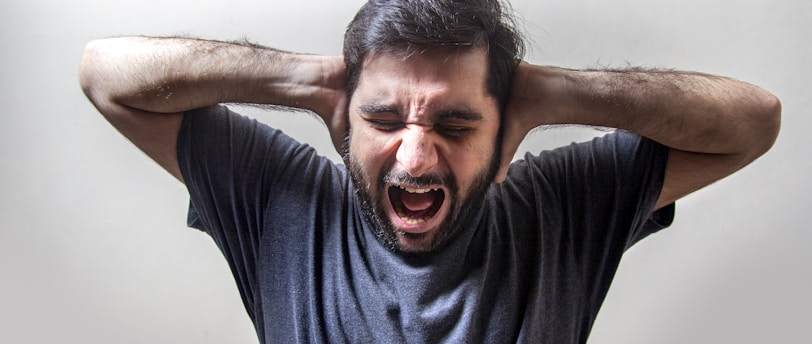

Feeling worried or scared sometimes is normal. But when these feelings happen a lot and make life hard, you might have anxiety. The good news? Anxiety can be treated, and you can feel better. At Sunset Behavioral Health, we help adults in Florida find peace and happiness again through easy telehealth care. You will meet with our solo provider, Luisa Garcia, a dual certified family and psychiatric mental health nurse practitioner with over 13 years of experience, through secure telehealth.
What Is Anxiety?
Anxiety is when your mind and body feel worried or scared, even when you're safe. It's like having an alarm system in your brain that goes off too much. Many adults have anxiety, and it's nothing to be ashamed of.
Think of anxiety like a smoke detector. A smoke detector helps keep you safe by warning you about real fires. But sometimes it goes off when you're just making toast. Anxiety works the same way – it tries to protect you, but sometimes it warns you about dangers that aren't really there.
How Anxiety Makes Your Body Feel
When you have anxiety, your body might feel different. Here are some common ways anxiety shows up in your body:
Your Heart and Breathing:
Your heart beats fast, like you just ran up stairs
You might feel short of breath or like you can't catch your breath
Your chest might feel tight or heavy
Your Muscles and Energy:
You might shake or tremble, especially in your hands
Your muscles feel tense or sore
You feel tired all the time, even after sleeping
Your head might hurt or feel heavy
Your Stomach and Sleep:
Your stomach might hurt or feel upset
You might feel sick or want to throw up
You have trouble falling asleep or staying asleep
You might wake up feeling worried
Other Body Signs:
You sweat a lot, even when it's not hot
You feel dizzy or lightheaded
Your face or hands might feel tingly
These body feelings are real. Your brain is trying to protect you, but it's working too hard. Want to see other concerns we help with too? Visit our Symptoms we treat page.
How Anxiety Makes Your Mind Feel
Anxiety doesn't just affect your body. It also changes how you think and feel every day.
Worried Thoughts:
You worry about everything, even small things
You think about bad things that might happen
You can't stop thinking about your worries
You feel like something terrible is about to happen
Daily Life Changes:
You have trouble focusing on work or activities
You avoid places or people that make you worried
You don't want to try new things
You have trouble making decisions
Feelings and Emotions:
You feel nervous or on edge most of the time
You get upset or angry more easily
You feel restless, like you can't sit still
You feel scared or panicked for no clear reason
Remember, having these feelings doesn't mean you're weak or broken. It means your brain is working extra hard to keep you safe, but it needs some help to calm down.
When Anxiety Becomes Too Much
Some worry is normal. We all worry about our families, jobs, or health sometimes. But anxiety becomes a problem when:
You worry most days for months
Your worries make it hard to work or enjoy life
You avoid doing things you used to love
You can't control your worried thoughts
Your body feels bad because of anxiety
This might be called Generalized Anxiety Disorder. It sounds scary, but it just means your anxiety needs professional help to get better. And here's the amazing thing – anxiety is very treatable. Most people who get help feel much better.
How Sunset Behavioral Health Helps Adults in Florida
At Sunset Behavioral Health, we understand how hard anxiety can be. We also know how good life can feel when anxiety gets better. That's why we make getting help as easy as possible.
Easy Telehealth Care:
You don't need to drive to an office or sit in a waiting room. Our virtual psychiatric care in Florida means you can get help from your own home. Just use your phone, tablet, or computer. You will see Luisa Garcia, our solo provider and a dual certified family and psychiatric mental health nurse practitioner with over 13 years of experience.
Fast Access:
Many providers make you wait weeks or months. Not us. As a solo provider, Luisa Garcia, a dual certified family and psychiatric mental health nurse practitioner with over 13 years of experience, can usually see you within 48 hours. That means you can start feeling better this week, not next month.
Free First Visit:
We offer a free 15-minute consultation. You can talk to our solo provider, Luisa Garcia, a dual certified family and psychiatric mental health nurse practitioner with over 13 years of experience, ask questions, and see if we're a good fit – all without paying anything.
Bilingual Support:
We speak both English and Spanish. Se habla español. You can get help in the language that feels most comfortable to you.
All Ages and Stages:
We help adults of all ages, from young adults just starting their careers to seniors enjoying retirement. Anxiety can happen at any time in life, and we're here for all of it.
Your Anxiety Can Get Better
Here's what we want you to know: anxiety feels terrible, but it gets better with the right help. Our patients tell us amazing stories about how their lives changed:
Sarah couldn't sleep for months. Now she sleeps peacefully and wakes up happy.
Miguel avoided social events because of worry. Now he enjoys time with friends and family.
Lisa felt scared to drive to work. Now she travels confidently around Florida.
Treatment That Works:
We use proven methods to help anxiety get better. This might include:
Talking therapy to help you understand and manage worried thoughts
Medication if it's right for you (but only if you want it)
Learning relaxation skills that calm your mind and body
Building confidence to do the things you love again
Want to know how visits work and what comes next? Read What to Expect from Treatment.
You Don't Have to Suffer:
Some people think anxiety is just part of life and you have to live with it. That's not true. With the right help, you can feel calm, happy, and excited about life again.
Life After Anxiety Treatment
Imagine waking up and not feeling worried right away. Picture going to work without your stomach hurting. Think about enjoying time with family without your mind racing. This isn't just a dream – it's what happens when anxiety gets better.
Our Florida telehealth patients often tell us:
"I forgot what it felt like to be relaxed"
"I'm enjoying things I used to love again"
"My family says I'm like my old self"
"I wish I had gotten help sooner"
You deserve to feel good. You deserve to enjoy your life. Anxiety might feel overwhelming right now, but with help, it gets so much better.
Take the First Step Today
Don't let anxiety steal another day of happiness from you. At Sunset Behavioral Health, we're ready to help you feel better, starting this week.
Here's how easy it is:
Talk to our caring solo provider, Luisa Garcia, a dual certified family and psychiatric mental health nurse practitioner with over 13 years of experience, about how you're feeling
Get seen within 48 hours
Start your journey to feeling better
You can get help from anywhere in Florida through our secure telehealth platform. No long drives, no waiting rooms, no delays. Just compassionate care when you need it.
Ready to feel better? Book your free consultation today. You can also Contact Us if you have questions first. Your future self – the one who feels calm, happy, and confident – is waiting for you to take this step. We're here to help you get there, together.
Se habla español. Sunset Behavioral Health provides telehealth mental health services throughout Florida. Start your journey to feeling better today.
Emergency & Crisis Disclaimer:
Sunset Behavioral Health is not a crisis or emergency service. If you are experiencing a medical or mental health emergency, having thoughts of harming yourself or others, or feel unsafe, call 911 immediately or go to the nearest emergency room. You may also call or text 988 to reach the Suicide & Crisis Lifeline 24/7 for free and confidential support.
Email: info@sbhmind.com
Phone: 239-790-8822
Fax: 561-257-3956
Office: 12632 East Tamiami Trail, #1015
Naples, FL 34113
© 2026 Sunset Behavioral Health LLC. All rights reserved.